





When Metal Meets Metal (Wheel Bearings)
April 20, 2025
What part of your vehicle has little metal balls inside that are lubricated and allow you to cruise on down the road? They are wheel bearings, and automotive designers might argue they are human beings' second greatest invention of all time (the first is, of course, the wheel!).
You have a wheel bearing at each wheel. They allow your wheels to turn freely, minimizing friction that would ordinarily slow you down when metal meets metal. When one of your wheel bearings starts to go bad, it lets you know. A wheel bearing does its work quietly when it's in good health but starts getting noisy when it isn't. People describe the noise differently. Sometimes it sounds like road noise, a pulsating, rhythmic, sound. That pulse speeds up when your vehicle speeds up.
Here's what's happening when you hear that sound. As mentioned, the bearing has these little metal balls inside a ring. They have a lubricant inside to reduce friction between the balls; modern wheel bearings are sealed and they're intended to do their job without any maintenance.
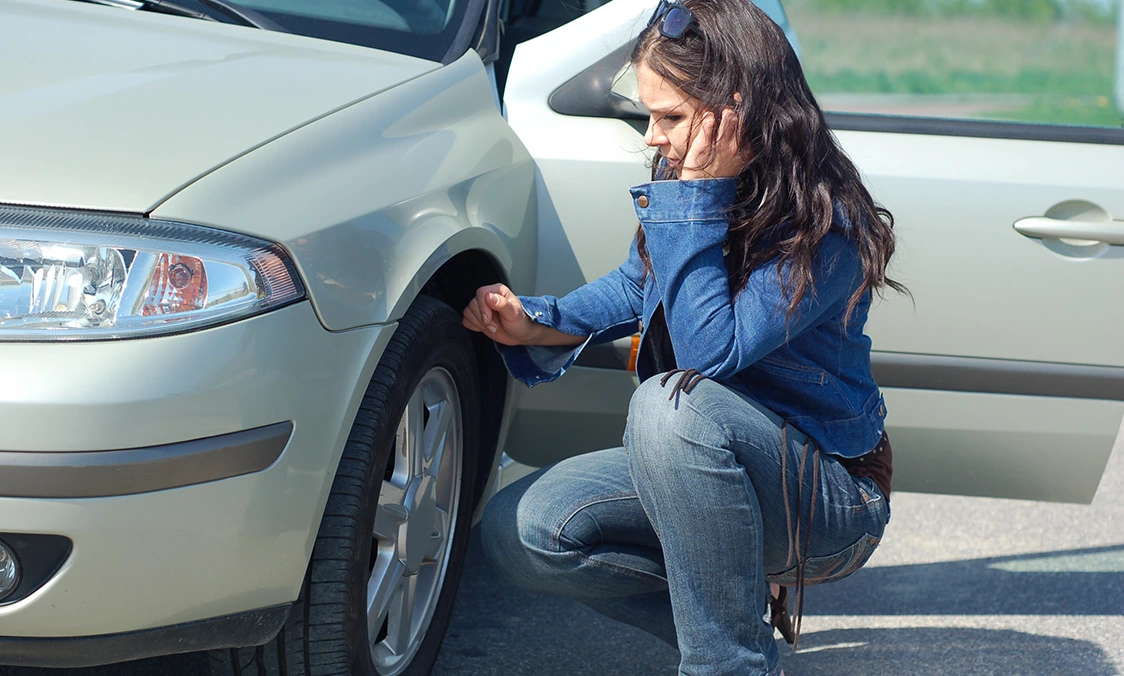
Wheel bearings take a beating; you hit some rough potholes or go over some uneven railroad tracks. Sometimes water can get into a bearing and reduce the ability of the lubricant to do its job. Time starts to take its toll, too. When the lubricant isn't reducing friction like it should, the bearing can heat up. One of those little balls can start shedding pieces of metal and soon those shards start grinding up the other balls. Friction takes over and soon your wheel isn't turning smoothly. That's what's causing the sound. If a wheel bearing is not fixed, it could eventually seize up completely, and you can be stranded.
It's a lot easier if you heed the early warning signals, that pulsating noise. Now, sometimes a similar noise can be caused by a bad tire, but in either case, it's important to have it checked out. Our South Side Garage technicians will be able to tell you fairly quickly what the problem is and offer a solution.
Wheel bearings generally don't fail often and usually last from 85,000-100,000 miles/140,000km to 160,000km. But consider them a long-term maintenance item that, once fixed, will keep you heading smoothly to the next destination.
South Side Garage
9117 S WALKER AVE
OKLAHOMA CITY, Oklahoma 73139
405-308-1514
http://www.thesouthsidegarage.com
More articles from Southside Garage
The Little Valve that Could (PCV Valve Replacement)
January 25, 2026
It's easy to get letters like PVC and PCV mixed up. PVC is a plastic that's used in a lot of things, especially plumbing pipes. And PCV is a valve that helps your engine burn off excess fumes rather than having them pollute our atmosphere. PCV stands for positive crankcase ventilation. When y... More
Knowledge is Power (Battery Testing)
January 18, 2026
Its likely happened to you once or twice. You head to your vehicle, open the door, turn the key and lo and behold, your battery is dead. Now youre stranded, may have to get a jump or a tow, and youll definitely be late for wherever you were headed. While your vehicle may sometimes give you warni... More

The Edible Engine
January 11, 2026
You may have had a friend whose vehicle was the victim of hungry rodents. After all, mice, rats and squirrelseven rabbitshave been known to gnaw on wires in engine compartments, causing vehicle electrical systems to go haywire. They can disable a vehicle completely and be very expensive to fix.... More